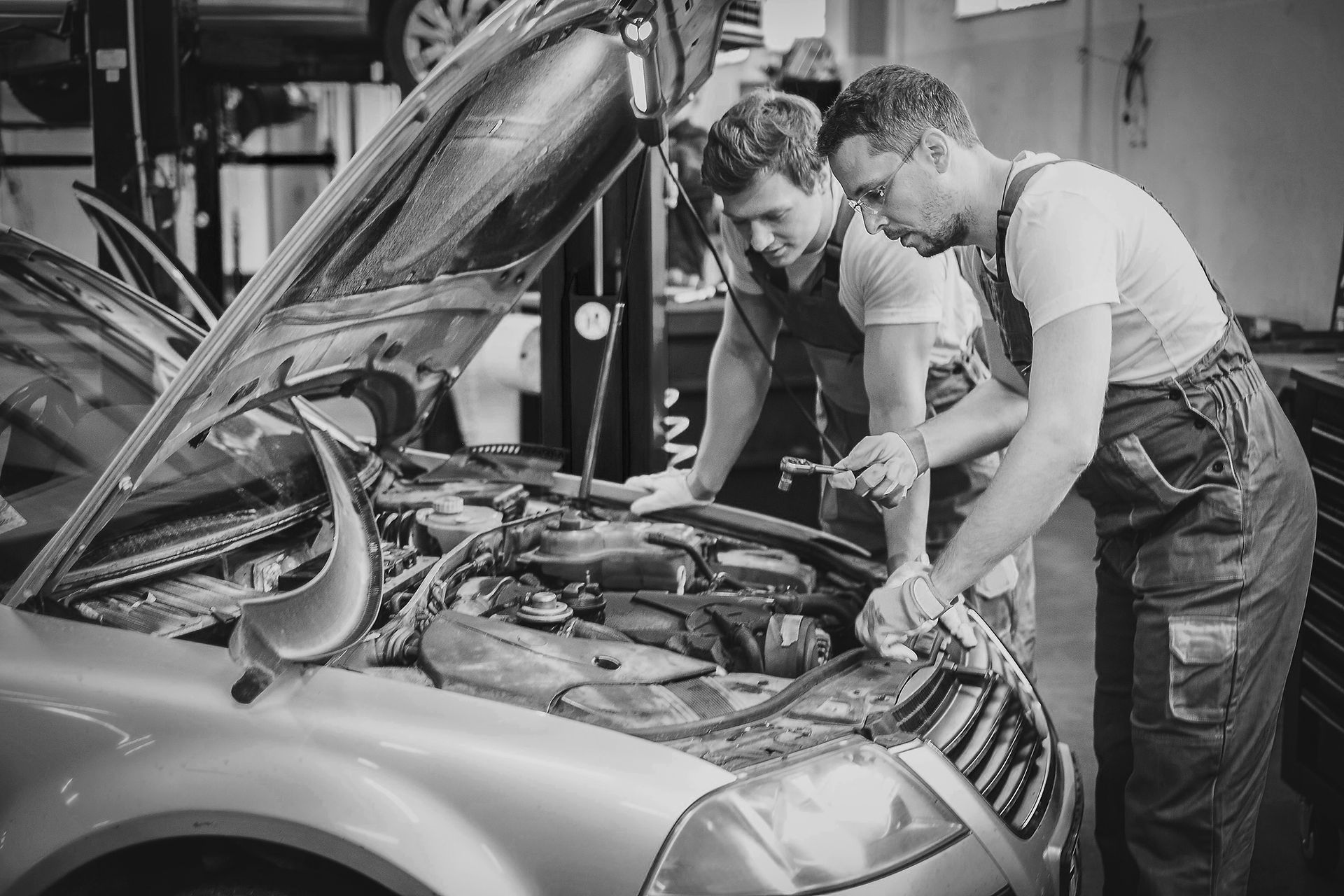

Car Overheating? Here's What to Do - And What Not To Do

The temperature gauge is climbing, there's a warning light on the dash, and maybe — worst case — there's steam coming from under the bonnet. A car overheating is one of those situations where what you do in the next few minutes matters a lot. Handle it right and it's usually a manageable repair. Handle it wrong and you could be looking at a blown head gasket or a seized engine.
Here's how to deal with it, what's likely going on, and how to stop it happening again.
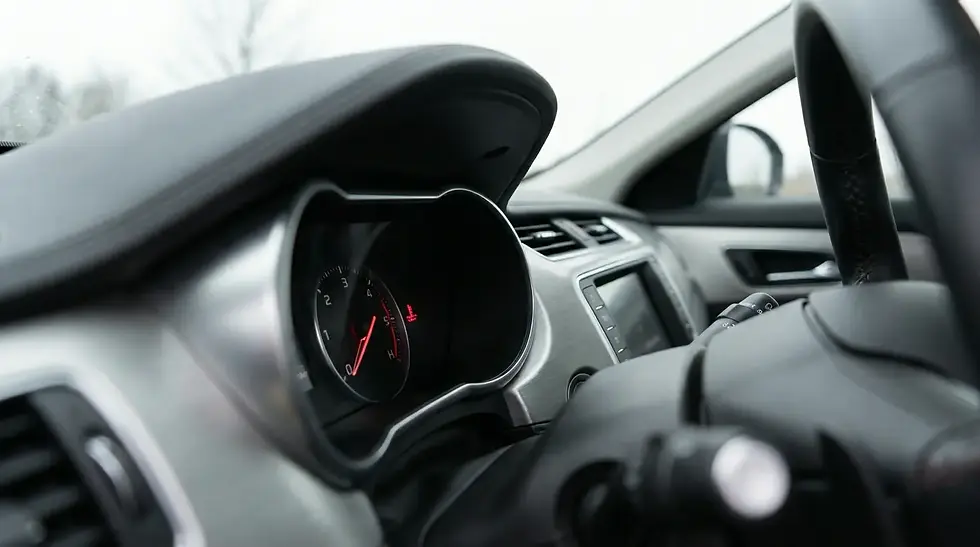
🚨 What to Do When Your Car Overheats
If your temperature gauge spikes or the warning light comes on, act quickly but calmly.
Pull over as soon as it's safe
Don't try to push through to the next town or your destination. Every minute an overheating engine keeps running is more potential damage. Find a safe spot off the road, turn on your hazard lights, and switch off the engine.
Don't open the bonnet straight away
The cooling system is pressurised and extremely hot. Give it at least 15–20 minutes to cool before you go near it. Steam and boiling coolant can cause serious burns.
Never open the radiator cap on a hot engine
This is the big one. A pressurised system full of boiling liquid will spray out the moment you release the cap. Wait until the engine is cool to the touch.
Check the coolant level (once it's cooled)
If the overflow bottle is empty or the coolant is visibly low, that's likely your problem. You can top up with water in an emergency to get moving — but it's a temporary fix, not a solution. Get the cooling system checked properly.
If it overheats again after restarting, stop driving
A second overheat means something more serious is going on and continuing to drive risks catastrophic engine damage. At that point, it's time to call for a tow.

🔍 Common Causes of Engine Overheating
A car overheating is a symptom, not a diagnosis. Here's what's usually behind it.
Low Coolant or a Coolant Leak
The most common cause. Coolant (antifreeze) circulates through the engine to absorb heat. If there's not enough — whether from a leak, evaporation, or it simply hasn't been topped up — the engine can't cool itself. Look for puddles under the car (usually green, orange, or pink fluid) or a sweet smell from the engine bay.
Faulty Thermostat
The thermostat controls coolant flow. When it's working, it opens to let coolant circulate once the engine warms up. When it fails (usually stuck closed), coolant can't flow and heat builds up fast. It's a relatively cheap part but causes expensive problems if ignored.
Water Pump Failure
The water pump pushes coolant through the system. If it fails, coolant sits still and can't carry heat away from the engine. You might hear a whining or grinding noise from the front of the engine, or notice coolant leaking from the pump area.
Radiator Problems
A blocked, damaged, or corroded radiator can't dissipate heat effectively. Bugs, dirt, and debris blocking the front of the radiator can also reduce airflow. Even a damaged radiator cap that can't hold pressure can cause overheating.
Blown Head Gasket
This is the one nobody wants to hear. A blown head gasket lets coolant leak into the combustion chamber or oil passages. Signs include white smoke from the exhaust, milky residue under the oil cap, or coolant that keeps disappearing with no visible leak. It's a serious repair, but catching it early limits the damage.

⚠️ What NOT to Do
Some common reactions actually make things worse.
Don't keep driving
"It's only five minutes away" is how people end up with warped cylinder heads. If the gauge is in the red, stop.
Don't pour cold water into a hot engine
The sudden temperature change can crack the engine block or cylinder head. If you need to add water, wait until the engine has cooled down.
Don't ignore it and hope it sorts itself out
Overheating doesn't fix itself. Even if the gauge comes back down, something caused it to spike in the first place — and it'll happen again, usually at a worse time.
Don't remove the radiator cap while the engine is hot
Worth repeating because people still do it. Pressurised boiling liquid. Burns. Don't.

💡 How to Prevent Your Car From Overheating
Most overheating issues are preventable with basic maintenance.
Check your coolant regularly
A quick look at the overflow bottle every couple of weeks takes ten seconds. If it's consistently low, there's a leak that needs finding.
Stick to your service schedule
A regular logbook service includes a cooling system check — coolant condition, hose integrity, and radiator inspection. It's the easiest way to catch problems before they leave you on the side of the road.
Get the cooling system flushed periodically
Coolant degrades over time and loses its protective properties. Most manufacturers recommend a flush every 2–3 years or as specified in your logbook.
Keep an eye on the temperature gauge
Make it a habit to glance at it regularly, especially in summer, in heavy traffic, or when towing. Catching a rising temp early gives you time to react before damage occurs.
Watch for warning signs
A sweet smell from the engine bay, visible coolant leaks, or the heater blowing cold air when it shouldn't be are all early indicators of cooling system issues.

📍 Overheating in North-East Victoria or Southern NSW?
If your car has overheated and you're not confident driving it, don't risk it. Ynot Auto offers 24/7 towing and roadside assistance across Benalla, Yarrawonga, Mulwala, and the wider North-East Victoria and Southern NSW region.
We're RACV and NRMA accredited, and our workshops handle everything from simple coolant leaks to full radiator and cooling system repairs.
❓ Frequently Asked Questions
Can I drive my car if it's overheating?
No. Pull over and stop as soon as it's safe. Driving an overheating car — even a short distance — can cause warped cylinder heads, a blown head gasket, or a seized engine. The repair cost jumps dramatically with every extra minute of driving.
Why does my car overheat in traffic but not on the highway?
At highway speed, air flowing through the radiator helps cool the engine. In slow traffic, your car relies on the radiator fan to do that job. If the fan isn't working properly, or the coolant is low, there's not enough cooling at low speeds.
How much does it cost to fix an overheating car?
It depends on the cause. A coolant top-up or thermostat replacement might be $100–$300. A water pump or radiator replacement could be $500–$1,000+. A blown head gasket is typically $2,000+. The earlier you catch it, the cheaper it is.
Can low oil cause overheating?
Not directly, but it contributes. Oil helps carry heat away from engine components. If oil is critically low, friction and heat increase, which can push temperatures up — especially alongside other cooling issues.
Is it normal for my car to run hotter in summer?
The gauge may sit slightly higher in hot weather, heavy traffic, or when towing — that's normal. But if it's pushing into the red zone or the warning light comes on, that's not normal and needs attention.


Comments